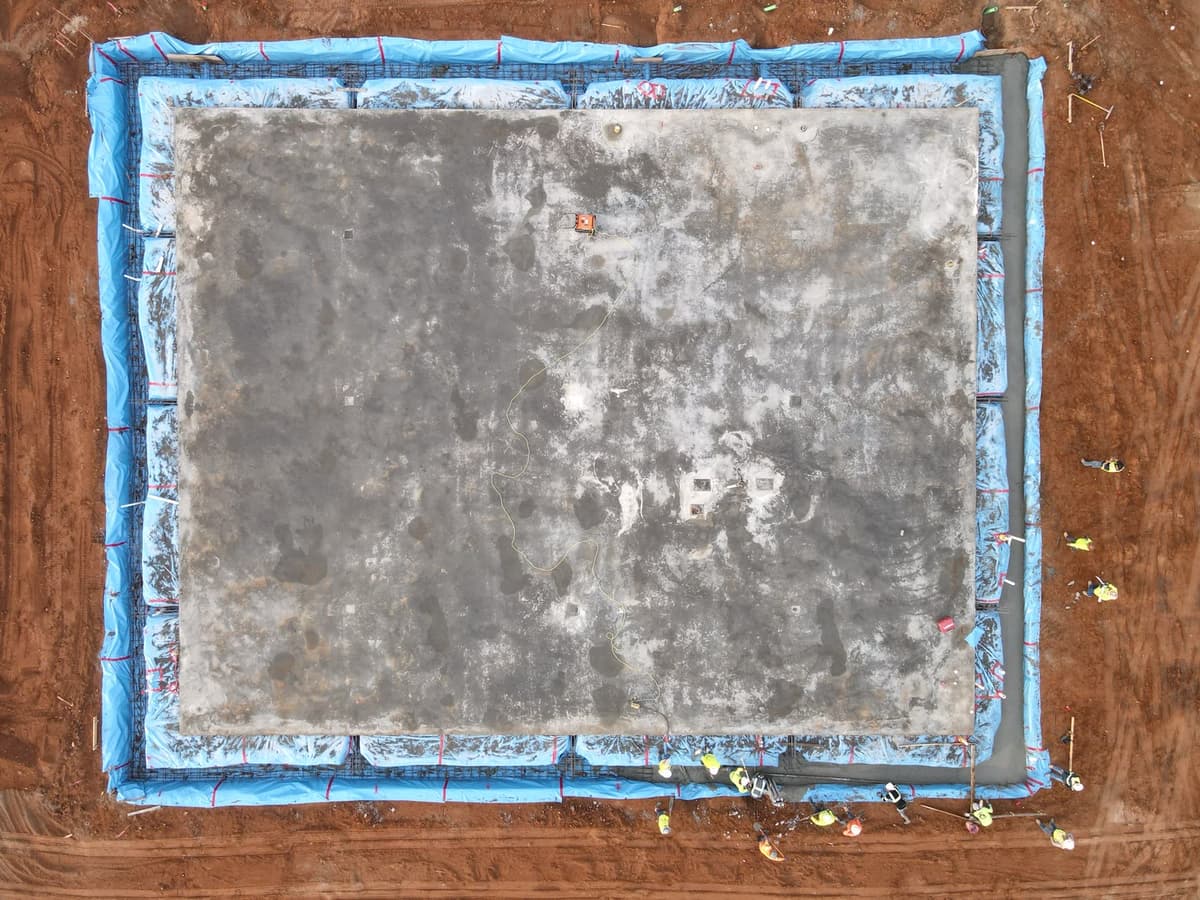
San Antonio is one of the busiest markets for driveway work in Texas. The combination of older established neighborhoods like Alamo Heights, Monte Vista, and Terrell Hills, where driveways are aging out, and rapid suburban growth in Helotes, Stone Oak, Alamo Ranch, and the far northwest creates consistent demand year-round. If you're pricing a new driveway or replacing an existing one, here's what you should expect to pay in 2026 and what to watch for that's specific to San Antonio.
Concrete Driveway Cost by Finish Type
| Finish | Cost per sqft |
|---|---|
| Standard broom finish | $6 – $10 |
| Exposed aggregate | $8 – $13 |
| Stamped / decorative concrete | $12 – $20 |
| Colored concrete (integral color) | Add $1 – $3/sqft to base |
| Demolition of existing driveway | Add $2 – $5/sqft |
For a frame of reference on what those numbers mean in practice: a standard two-car driveway runs about 400 square feet. At standard broom finish pricing, that's $2,400–$4,000. Stamped concrete on the same 400 sqft footprint runs $4,800–$8,000.
A longer single-lane driveway from street to garage on a typical San Antonio lot (roughly 600–800 sqft) ranges from $3,600–$8,000 for standard finish or $7,200–$16,000 for decorative work. Circular driveways and porte-cochère approaches on larger lots can push well past $20,000 depending on size and finish.
San Antonio Soil: The Most Important Factor Most Contractors Don't Discuss
If there's one thing San Antonio homeowners need to understand about concrete work, it's the ground underneath it. San Antonio sits on two distinct soil types that behave very differently, and both can destroy a poorly built driveway.
Expansive clay is common across south, west, and central San Antonio. Clay soil absorbs water and expands, sometimes significantly, then shrinks back down as it dries. This cycle of expansion and contraction is the single biggest cause of driveway cracking and heaving in the area. A driveway poured directly onto unstable clay without proper base preparation will crack within two to five years. This is not an exaggeration; San Antonio concrete contractors see it regularly.
Limestone and caliche hardpan is common in the Hill Country-adjacent areas of north and northwest San Antonio. It's more stable than clay but creates its own challenges, it's hard to excavate, requires proper grading to manage drainage, and can cause water to pool at low points if not handled correctly.
What proper base preparation looks like on SA clay: excavation to the right depth, fill material (usually flexible base or compacted limestone base), adequate compaction verified before pour, steel rebar or wire mesh throughout, and control joints placed at intervals that prevent stress cracks from propagating across the slab. Your contractor should be specifying all of this, not offering it as an optional upgrade.
A cheap driveway quote that skips base prep or uses minimal reinforcement is a short-term savings that costs more when you're paying for replacement in five years.
Standard vs. Decorative: Matching the Neighborhood
For most San Antonio neighborhoods, a standard broom finish in good condition looks fine and performs well. The extra cost of stamped or exposed aggregate only makes sense if you're in a context where it matters, higher-value homes where curb appeal directly affects perceived property value, neighborhoods where decorative work is common, or situations where you want a specific aesthetic.
HOA communities are worth a special mention. San Antonio has a high density of HOA neighborhoods, particularly in Stone Oak, Alamo Ranch, Timberwood Park, and newer developments throughout the 1604 and 1604/151 corridors. Many of these HOAs have approved material lists or color restrictions for hardscaping. Before paying a premium for a specific decorative finish, verify it's allowed under your HOA's architectural guidelines. Getting this wrong means doing it twice.
Permits in San Antonio
The City of San Antonio requires a permit for new driveway construction and for driveway expansions over certain square footage thresholds. CPS Energy and SAWS also have setback requirements near utilities and water infrastructure, driveways can't be poured over certain buried lines without an easement review.
Your concrete contractor should handle permit pulling as part of the job. If a contractor tells you a permit isn't needed for a new driveway, that's a red flag. Permit fees for a typical residential driveway in San Antonio run $50–$300 depending on the project scope and whether it requires engineering review. That cost should be included in your contractor's bid, not treated as a surprise.
Timeline
A typical residential driveway in San Antonio goes like this: day one is form-setting and any base prep work; day two is the pour (which takes most of the day including finishing); curing begins immediately. The slab is walkable after 24–48 hours but should not be driven on for 7 days minimum. Full strength takes 28 days, the 7-day mark is when it's safe to drive on, not when the concrete is at full strength.
In San Antonio summers, pours should be scheduled for early morning to avoid afternoon heat exceeding 100°F. Heat accelerates curing too fast, which can cause surface cracking. Experienced local contractors know to use curing compound immediately after finishing the surface, and some use chilled mixing water for pours in peak summer heat. This is standard practice, not an upsell, for anyone doing concrete work seriously in the Texas heat.
Frequently Asked Questions
How long does a concrete driveway last in San Antonio?
A properly built concrete driveway with good base prep, adequate reinforcement, and correctly spaced control joints will last 20–30+ years in San Antonio conditions. One that skips those steps on expansive clay soil may not see 10 years before it needs significant repair or replacement.
Does the heat affect the pour?
Yes. Concrete poured in temperatures above 90°F can cure too fast at the surface, leading to plastic shrinkage cracks. San Antonio summers regularly exceed 100°F. A good contractor will schedule the pour for early morning, use a curing compound, and avoid pouring during afternoon heat peaks. Ask your contractor directly about their hot-weather pour procedures.
How much does a permit cost in San Antonio?
Most residential driveway permits in San Antonio run $50–$300, depending on project size and whether it requires a grading or drainage review. Your contractor should include this in their bid.
Get a Free Driveway Estimate in San Antonio
365 Builders handles concrete driveway work throughout the San Antonio area, new construction, replacement, and decorative work. We do the job right the first time, including proper base prep for SA's challenging soil conditions.
Request a free quote or call us at (956) 607-0470 to schedule an estimate.