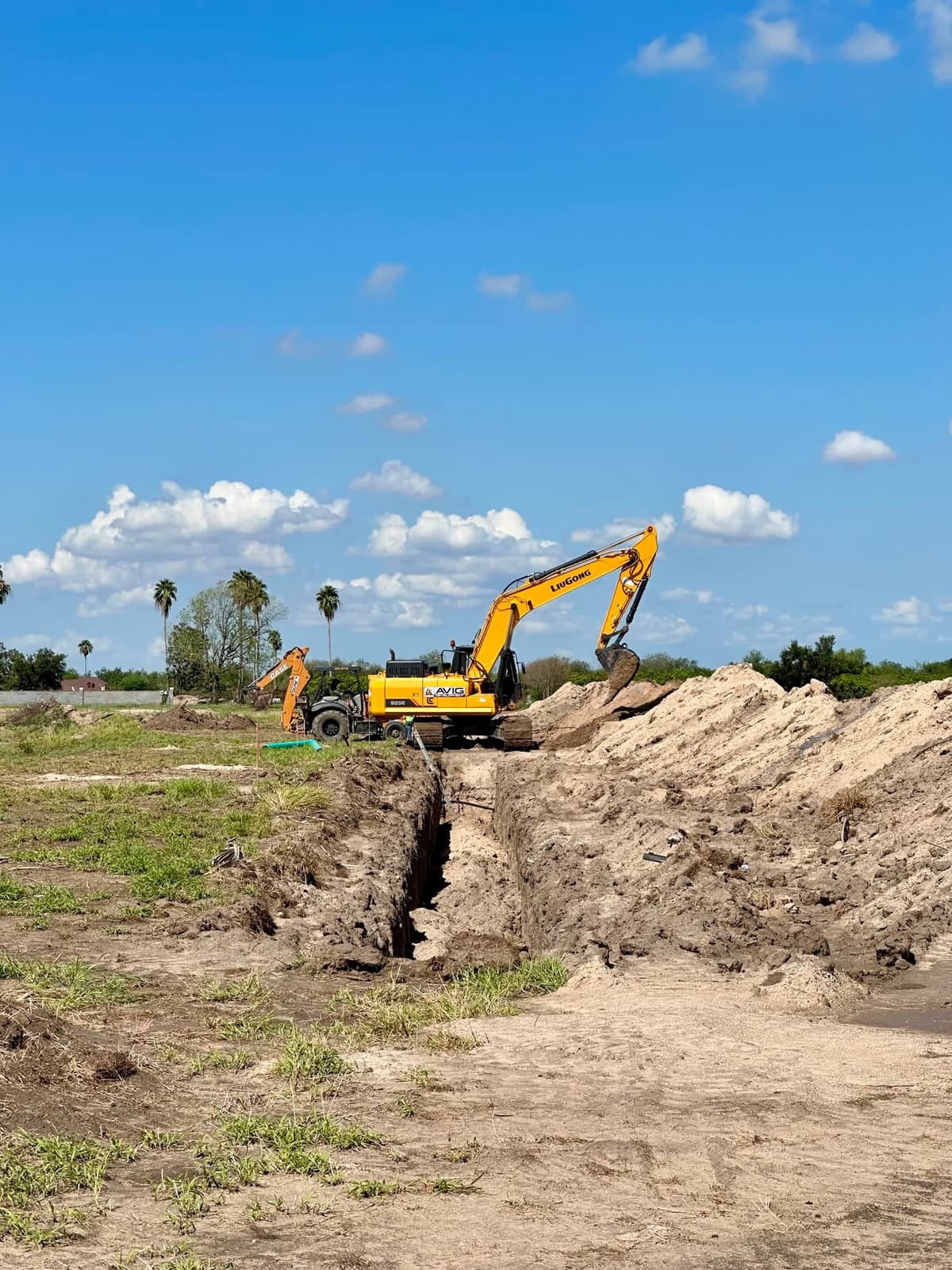
Buying raw land is exciting, but turning it into a buildable property involves a process that many first-time developers underestimate. Planning a single custom home lot, a residential subdivision, or a commercial development? Here's what the land development process actually looks like in Texas.
Step 1: Feasibility and Due Diligence
Before you buy (or immediately after), you need to answer some critical questions:
- Zoning: Is the land zoned for your intended use? If not, can you get it rezoned?
- Utilities: Are water, sewer, electric, and gas available nearby? What will it cost to connect?
- Flood zone: Is the property in a FEMA flood zone? This affects insurance, grading, and drainage requirements.
- Soil conditions: Will the soil support your planned structures? A geotechnical study will tell you.
- Access: Does the property have legal road access?
- Environmental: Are there wetlands, endangered species habitats, or contamination concerns?
Cost to budget: $5,000–$25,000 for surveys, soil testing, and environmental studies, depending on the property size.
Step 2: Planning and Design
Once feasibility is confirmed, you'll work with engineers and surveyors to create:
- Site plan: layout of lots, roads, utilities, drainage, and open space
- Grading plan: how the land will be shaped for drainage and construction
- Utility plan: water, sewer, electric, gas, and stormwater infrastructure
- Plat: the legal subdivision of the property into individual lots
For larger developments, this phase also includes traffic studies, landscape plans, and HOA planning.
Step 3: Permitting and Approvals
In Texas, you'll need approvals from:
- City or county planning department: plat approval, site plan approval
- Utility providers: water district, electric cooperative, gas company
- TxDOT: if the development connects to a state road
- TCEQ: for stormwater management and any environmental permits
Permitting timelines vary wildly. A straightforward project in a cooperative municipality might take 2–3 months. A complex subdivision in a major city can take 6–12+ months.
Step 4: Site Clearing and Grading
Now the physical work begins:
- Clearing: removing trees, brush, and debris
- Demolition: removing any existing structures
- Grading: shaping the land according to the grading plan
- Erosion control: silt fences, retention areas, and stabilization to comply with stormwater permits
In South Texas, where the terrain is relatively flat, grading focuses primarily on drainage, making sure water flows where it should and doesn't pool where it shouldn't.
Step 5: Utility Installation
Underground infrastructure goes in before roads and buildings:
- Water lines: mains, laterals, and fire hydrants
- Sewer lines: gravity mains, manholes, and lift stations (if needed)
- Storm drainage: inlets, pipes, detention ponds
- Electric and gas: underground conduit or overhead lines
- Telecom: fiber, cable, and phone conduit
This is typically the most expensive phase of land development. Utility costs can range from $15,000 to $50,000+ per lot depending on distance to existing infrastructure.
Step 6: Road Construction
Roads are built after utilities are in the ground:
- Subgrade preparation: compacting and stabilizing the road bed
- Base course: typically crushed limestone or flex base
- Paving: asphalt or concrete surface
- Curbs and gutters: for drainage and lot delineation
- Sidewalks: per city requirements
Step 7: Final Plat and Lot Sales
Once infrastructure is complete and inspected:
- File the final plat with the county
- Obtain certificates of completion from utility providers
- Individual lots are now legally defined and can be sold or built on
How Long Does It All Take?
| Phase | Typical Timeline |
|---|---|
| Feasibility & due diligence | 1–3 months |
| Planning & design | 2–4 months |
| Permitting | 2–12 months |
| Site work & utilities | 3–8 months |
| Road construction | 1–3 months |
| Total | 9–30 months |
Common Mistakes to Avoid
- Skipping the soil study: discovering bad soil after you've started grading is extremely expensive
- Underestimating utility costs: always get written quotes from utility providers before finalizing your budget
- Ignoring drainage: Texas municipalities take stormwater management seriously. Cutting corners here will fail inspection.
- Not engaging the city early: a pre-application meeting with planning staff can save months of back-and-forth
The Bottom Line
Land development is a complex process, but it's manageable when you have the right team. The key is thorough due diligence upfront, realistic budgeting, and a general contractor who can handle the full scope, from clearing to grading to utilities to roads.
365 Builders provides turnkey land development services across Texas. From raw land to build-ready lots, contact us to discuss your project.