Commercial buildings don't maintain themselves. Without a regular inspection and maintenance schedule, small issues become expensive emergencies, a slow roof leak becomes ceiling damage, a neglected HVAC filter becomes a compressor failure, and a cracked parking lot becomes a liability issue.
Here's a quarterly maintenance checklist that every commercial property owner or facility manager should follow.
HVAC Systems
- Replace air filters (monthly in high-traffic buildings)
- Check thermostat calibration and programming
- Inspect condensate drain lines for clogs
- Clean evaporator and condenser coils (spring and fall)
- Check refrigerant levels
- Inspect ductwork for leaks or damage
- Test all zone controls
- Schedule professional tune-up before summer and winter seasons
Pro tip: In South Texas, your AC runs 9+ months a year. Monthly filter changes aren't optional, they're essential.
Plumbing
- Check all faucets and fixtures for leaks
- Inspect water heater for corrosion, sediment, and proper temperature
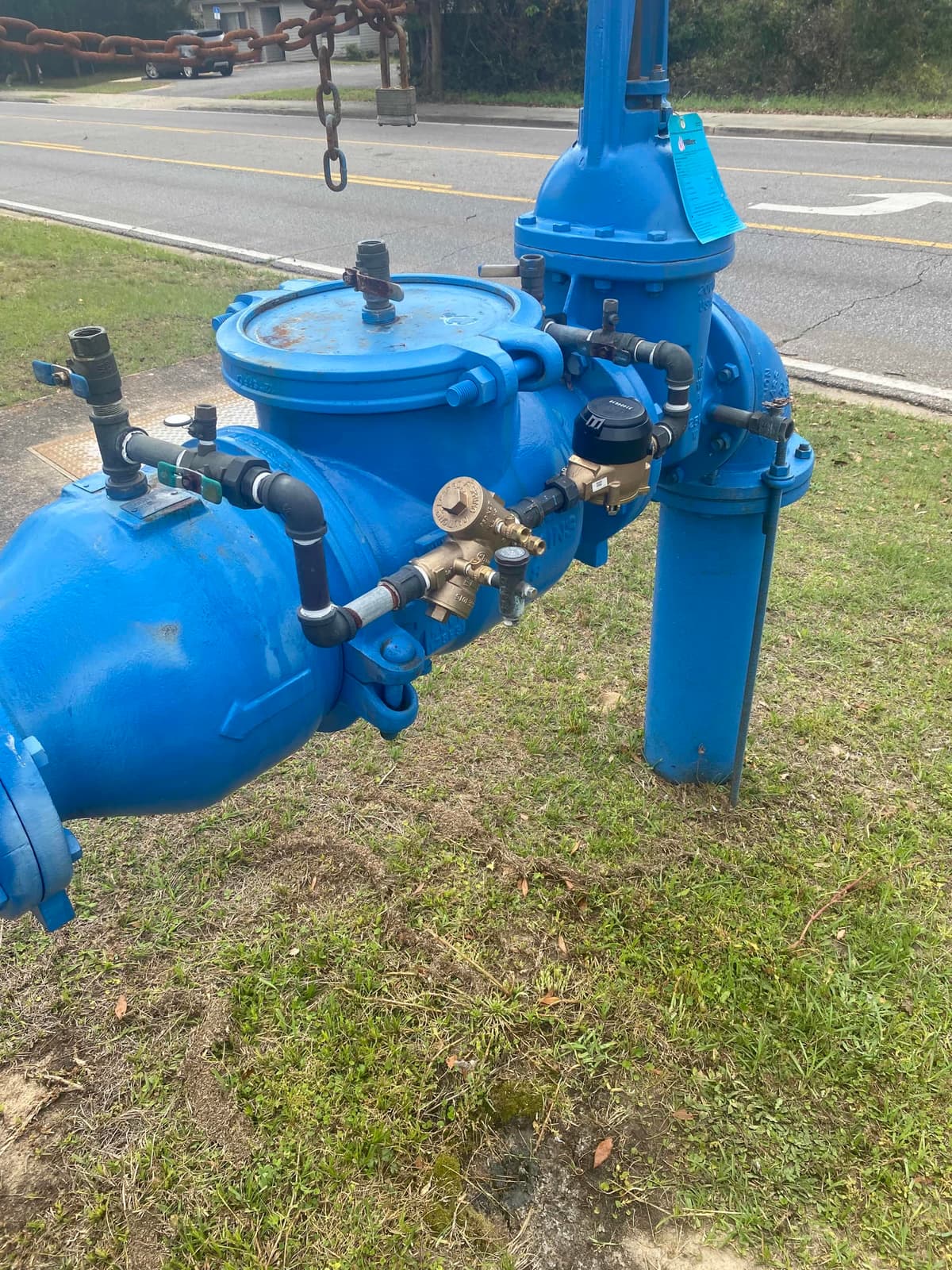
- Test backflow prevention devices
- Check for slow drains (signs of developing clogs)
- Inspect exposed pipes for condensation or corrosion
- Verify water pressure is within normal range
- Check restroom fixtures and flush valves
Electrical
- Test all GFCI outlets
- Check breaker panel for tripped breakers or signs of heat damage
- Inspect emergency lighting and exit signs
- Test generator (if applicable) under load
- Check exterior lighting, parking lot, signage, walkways
- Inspect wiring in accessible areas for wear or damage
- Verify surge protection is functional
Roofing
- Visual inspection from ground level for obvious damage
- Check gutters and downspouts for debris and proper drainage
- Inspect roof surface for ponding water, cracks, or membrane damage
- Check flashing around vents, HVAC units, and skylights
- Look for signs of interior water damage (stains, bubbling paint)
- Trim overhanging tree branches
Schedule a professional roof inspection at least once a year: and always after major storms.
Exterior and Grounds
- Inspect parking lot for cracks, potholes, and faded striping
- Check sidewalks and walkways for trip hazards
- Inspect exterior walls for cracks, staining, or damage
- Check doors and windows for proper sealing and operation
- Verify exterior signage is secure and illuminated
- Inspect fencing and gates for damage
- Check landscaping irrigation systems
- Clean building exterior (pressure wash annually)
Fire and Life Safety
- Test fire alarm system
- Inspect fire extinguishers (check tags for expiration)
- Test sprinkler system (annual professional inspection required)
- Check emergency exits, clear, properly marked, and functional
- Verify AED (if applicable) is charged and accessible
- Review evacuation plan and update if needed
Interior
- Inspect flooring for damage, loose tiles, or worn carpet
- Check walls and ceilings for cracks, stains, or damage
- Test all door hardware (locks, closers, hinges)
- Inspect restrooms for grout damage, fixture issues, or ventilation problems
- Check for pest activity
- Verify ADA compliance elements are maintained
Why Preventive Maintenance Pays Off
The math is simple:
- A $200 quarterly HVAC tune-up prevents a $5,000+ compressor replacement
- A $500 roof patch prevents $15,000+ in water damage repairs
- A $150 parking lot crack seal prevents $10,000+ in repaving
Preventive maintenance typically costs 1–3% of a building's value per year. Deferred maintenance costs 5–10x more when it finally catches up with you.
Don't Have Time to Manage All This?
That's what maintenance contracts are for. A professional facilities maintenance team handles inspections, scheduling, and repairs, so you can focus on running your business.
365 Builders offers flexible maintenance contracts for commercial properties across Texas. From monthly scheduled service to on-call emergency response, contact us for a customized maintenance plan.