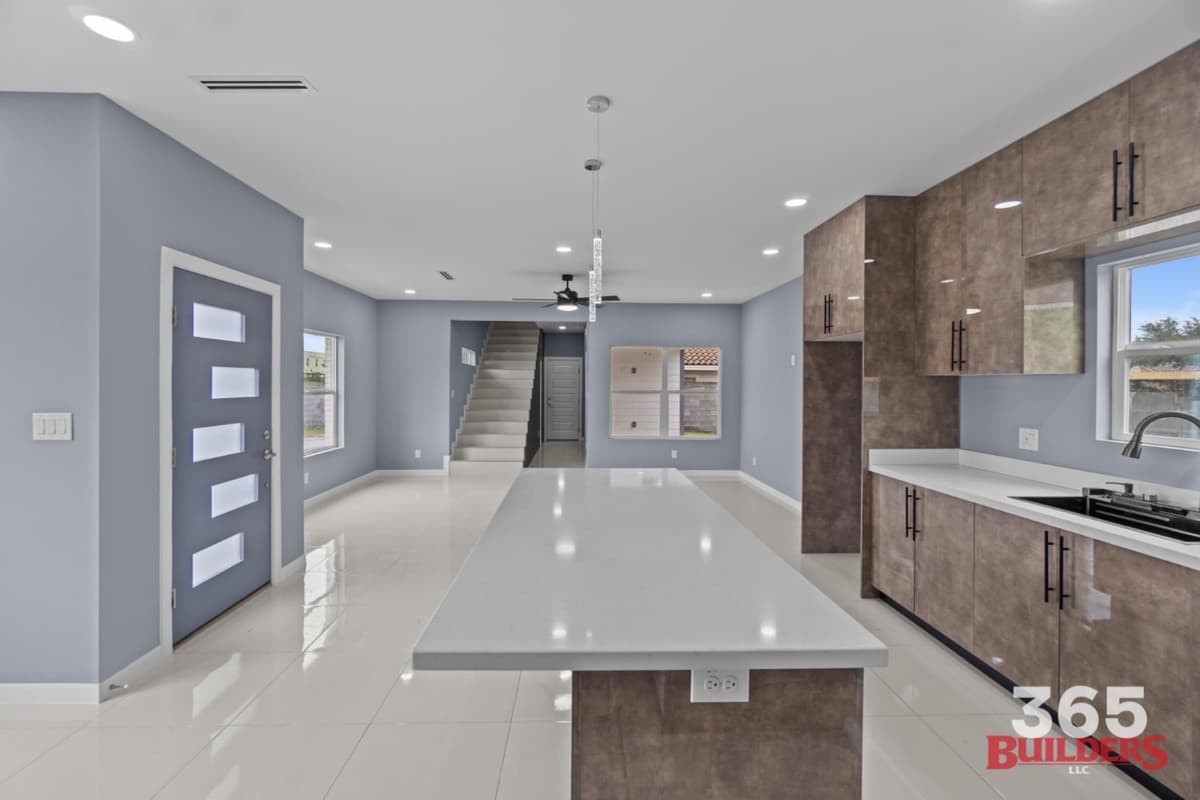
Choosing the right general contractor can make or break your project. Whether you're building a custom home, remodeling a commercial space, or starting a land development project in Texas, the contractor you pick will determine the quality, timeline, and final cost of your build.
Here are 8 things you should always check before hiring a general contractor in Texas.
1. Verify Their License and Registration
Texas doesn't require a state-level general contractor license, but many cities and counties have their own licensing requirements. Ask your contractor:
- Are you registered with the city/county where the project is located?
- Do you have the required trade licenses (electrical, plumbing, HVAC)?
- Can you pull permits for this project?
A legitimate contractor will have no problem providing documentation.
2. Confirm Insurance Coverage
This is non-negotiable. Your contractor should carry:
- General liability insurance — protects you if something goes wrong on your property
- Workers' compensation — covers injuries to their crew on your job site
- Vehicle insurance — for company trucks and equipment
Ask for a Certificate of Insurance (COI) and verify it's current. If a contractor doesn't carry insurance, walk away.
3. Check Their Track Record
Look for:
- Years in business — longevity matters in construction
- Projects similar to yours — a contractor who builds custom homes may not be the right fit for a commercial buildout
- Online reviews — Google, Facebook, and BBB ratings
Don't just look at the star rating — read the actual reviews to see how the contractor handles problems.
4. Ask for References
Any reputable contractor will gladly provide 3–5 recent references. When you call them, ask:
- Was the project completed on time and on budget?
- How was communication throughout the project?
- Were there any surprises or hidden costs?
- Would you hire them again?
5. Get a Detailed Written Estimate
A professional estimate should include:
- Scope of work — exactly what's included (and what's not)
- Materials — specific products, not just "tile" or "paint"
- Timeline — start date, milestones, and completion date
- Payment schedule — tied to project milestones, not arbitrary dates
- Change order process — how changes are handled and priced
Be cautious of estimates that are significantly lower than others — they often lead to change orders and cost overruns.
6. Understand the Payment Structure
A healthy payment structure looks like this:
- 10–20% deposit to start (never 50%+ upfront)
- Progress payments tied to completed milestones
- Final payment after punch list is complete
Avoid contractors who ask for full payment upfront or don't tie payments to actual progress.
7. Review the Contract Carefully
Your contract should cover:
- Complete scope of work
- Total price and payment schedule
- Project timeline with start and completion dates
- Warranty terms
- Dispute resolution process
- Termination clause
If something isn't in the contract, it doesn't exist. Get everything in writing.
8. Trust Your Gut
After meeting with a contractor, ask yourself:
- Did they listen to what I wanted?
- Were they transparent about costs and timelines?
- Did they explain things clearly without being condescending?
- Do I feel comfortable trusting them with my project?
The best contractor-client relationships are built on clear communication and mutual respect.
The Bottom Line
Hiring a general contractor is one of the biggest decisions you'll make on any construction project. Take the time to verify credentials, check references, and get everything in writing. A little due diligence upfront can save you thousands of dollars and months of headaches.
Ready to talk to a contractor who checks all 8 boxes? Get a free estimate from 365 Builders — licensed, insured, and trusted by clients across Texas since 2015.