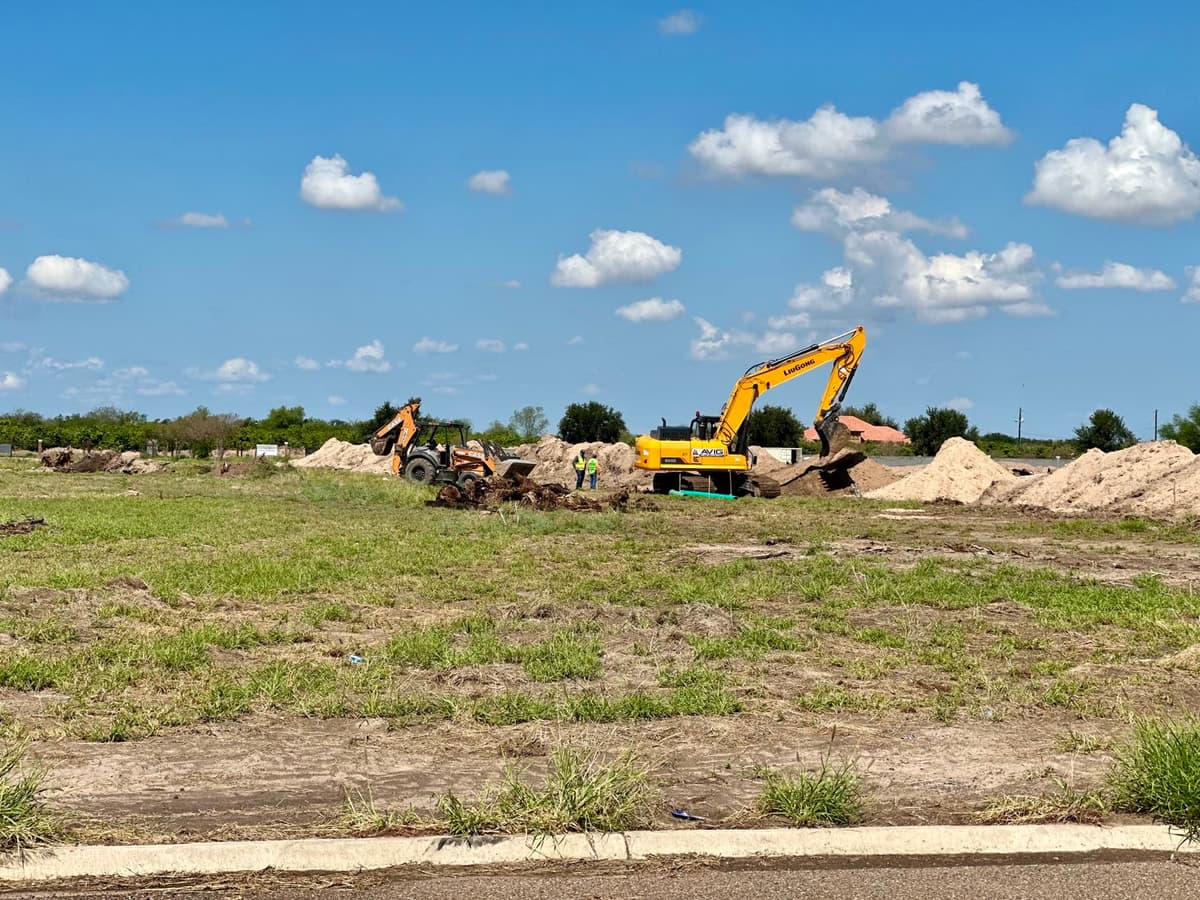
Whether you're building a home, preparing a commercial pad site, or clearing an overgrown lot in the Houston metro area, the first question is always cost. Here's the direct answer: land clearing in the Houston area typically runs $1,500 to $5,000 per acre, with most residential lots (0.25 to 1 acre) costing $1,200 to $4,500 total.
That range covers a lot of ground — literally — because no two lots in Houston are the same. A flat, grassy lot in Katy clears much faster than a heavily wooded tract in The Woodlands with protected trees and standing water. Below, we explain every factor that affects your price.
What's Included in Land Clearing
A standard land clearing scope in Houston includes:
- Vegetation removal — brush, small trees, stumps, and ground cover
- Tree removal — felling, cutting, and hauling or chipping. Large trees (over 24 inches in diameter) cost more due to equipment needs
- Stump grinding or removal — grinding is cheaper ($100–$300 per stump); full removal with root extraction costs more but prevents future settling
- Grading — leveling the site to the rough grade needed for construction
- Debris hauling — loading and transporting cleared material to a disposal site or mulch yard
Some contractors also include topsoil stripping and stockpiling, which is important if you plan to landscape later. Others list it as an add-on. Always ask what's included in the bid.
Cost Breakdown by Lot Condition
| Lot Condition | Cost per Acre | Typical Residential Lot |
|---|---|---|
| Light brush, few trees | $1,500 – $2,500 | $800 – $1,500 |
| Moderate brush and trees | $2,500 – $3,500 | $1,500 – $3,000 |
| Heavy timber, dense vegetation | $3,500 – $5,000 | $2,500 – $4,500 |
| Heavy timber with stump removal | $4,000 – $6,000+ | $3,000 – $5,500 |
Heavily wooded lots — common in areas like Kingwood, Atascocita, and parts of Spring — sit at the higher end because of the equipment time required. Mature pines and hardwoods need larger machinery, and stump removal in clay soil is slower and more labor-intensive than in sandy ground.
Houston-Specific Challenges
Clay Soil
Most of the greater Houston area sits on Beaumont clay — heavy, expansive soil that swells dramatically when wet and cracks when dry. This affects land clearing and site prep in several ways:
- Equipment gets bogged down. After rain, clay soil turns slick and soft. Clearing crews may need to wait days after a storm before heavy equipment can operate without sinking. This can stretch your timeline.
- Grading is more critical. On clay soil, proper drainage grading isn't optional — it's essential. Water that sits on clay won't percolate through. If the grade directs water toward your future structure, you'll have foundation problems within years.
- Compaction matters more. Clay needs proper moisture content during compaction. Too dry and it won't compact; too wet and it turns to mud. An experienced Houston site prep contractor will test moisture levels and adjust their process accordingly.
Drainage and Flooding
Houston's flat terrain and heavy rainfall (averaging 50+ inches per year) make drainage the single most important factor in site prep. The city sits only 50 feet above sea level with virtually no natural slope, so water doesn't move unless you engineer it to move.
Your site prep may need to include:
- Drainage swales or ditches to direct stormwater away from the building pad
- French drains or subsurface drainage if the water table is high
- Detention requirements — many Houston developments must include stormwater detention to prevent runoff from increasing flooding downstream. Harris County and the City of Houston both enforce detention requirements through their permitting process.
Drainage work can add $2,000 to $10,000+ to your site prep costs depending on the size of the lot and the requirements in your area. Properties within the 100-year floodplain face additional regulations and may need elevation certificates.
Tree Preservation Ordinances
The City of Houston has a tree and shrub ordinance that applies to commercial development and multi-family projects. Single-family residential lots are generally exempt, but there are exceptions:
- Protected trees — certain species and sizes are protected, especially on lots within the city limits
- Harris County Flood Control District land and easements have their own vegetation rules
- Deed restrictions in neighborhoods like Memorial, River Oaks, and the Heights may impose tree preservation requirements beyond what the city mandates
In unincorporated Harris County, Montgomery County (The Woodlands, Conroe), and Fort Bend County (Sugar Land, Missouri City), tree ordinances vary. Always check with your local jurisdiction before clearing. Removing a protected tree without a permit can result in fines of $500 to $5,000 per tree in some areas.
If your site has protected trees that must remain, the clearing crew will need to install tree protection barriers and adjust their equipment paths, which adds time and cost.
Permits You'll Need
For most residential land clearing in Houston, here's what you'll need:
- City of Houston: A land clearing permit through the Houston Permitting Center (formerly Public Works) if the lot is within city limits. Fees are typically $50 to $200 depending on acreage.
- Harris County: If you're in unincorporated Harris County, check with Harris County Engineering for grading and drainage requirements.
- TCEQ stormwater permit: For clearing more than one acre, you'll need a Texas Commission on Environmental Quality (TCEQ) Construction General Permit for stormwater discharge. This requires a Stormwater Pollution Prevention Plan (SWPPP), which costs $500 to $1,500 to prepare.
- Floodplain development permit: If any portion of your lot is in a FEMA-designated floodplain, you'll need a floodplain development permit from the city or county. This involves an engineering review and may require a no-rise certificate.
A good site prep contractor will know which permits apply to your specific lot and can handle the applications, though permit fees are typically passed through to the property owner.
Typical Timeline
For a standard residential lot in the Houston area:
- Light clearing (brush, no large trees): 1–2 days
- Moderate clearing with grading: 3–5 days
- Heavy timber clearing with stump removal and grading: 5–10 days
- Full site prep including drainage work: 2–4 weeks
Weather is the wild card. Houston's rainfall can shut down a site for days at a time, especially during spring (March through May) and hurricane season (June through November). If your timeline is tight, plan to start clearing during the drier months of December through February when you'll face fewer weather delays.
What to Ask Your Contractor
Before signing a land clearing contract in Houston, make sure you get answers to these questions:
- What's included and what's extra? Stump grinding, debris hauling, topsoil management, and drainage work should all be clearly addressed.
- Who handles permits? The contractor should know which permits your lot requires and whether they or you will file the applications.
- What equipment will they use? Bulldozers, excavators, mulchers, and skid steers each have a role. The right equipment for your lot size and vegetation type makes the job faster and cheaper.
- How do they handle rain delays? Get this in writing. Some contractors charge for mobilization if they have to leave and come back due to weather.
- Do they carry liability insurance? Land clearing involves heavy equipment near property lines, utilities, and sometimes occupied structures. Verify coverage.
Get a Site Assessment
365 Builders provides free site assessments for land clearing and site prep projects across the Houston metro and throughout South Texas. We'll walk your lot, identify potential issues, and give you a detailed written estimate with no surprises.
Call us at (956) 607-0470 or reach out online to schedule your assessment.