You found a piece of land in the Rio Grande Valley, put it under contract, and now you're ready to build. But between signing for that lot and pouring a foundation, there's a critical phase most people underestimate: site preparation.
In South Texas, the land itself presents unique challenges — expansive clay soils, flat terrain prone to flooding, and sometimes long distances to utility connections. Skipping steps here can cost tens of thousands of dollars down the road. Here's what you actually need to know.
What "Raw Land" Really Means
Not all land is created equal. There's a major difference between raw land and a developed lot:
- Raw land has no infrastructure — no utilities, no grading, no driveway, possibly no road access. It's cheaper upfront, but you'll spend significantly more getting it build-ready.
- A developed lot (in a subdivision, for example) already has utility connections stubbed to the lot line, grading done, drainage infrastructure in place, and a paved road. You're paying a premium, but a lot of the prep work is done.
The price difference can be dramatic. A raw acre in rural Hidalgo County might cost $15,000–$30,000, while a developed lot in a McAllen subdivision could run $50,000–$80,000+. But once you factor in the cost of developing raw land yourself, the gap narrows — and sometimes reverses.
Step-by-Step Site Preparation
1. Land Survey ($500–$2,000)
Before anything else, get a boundary and topographic survey. The boundary survey confirms your property lines. The topographic survey maps the elevation changes across the property — critical for grading and drainage planning. In the RGV, even small elevation differences matter because the terrain is so flat.
2. Soil Testing ($500–$1,500)
This is non-negotiable in South Texas. A geotechnical soil test tells your engineer what's beneath the surface — and in the RGV, that's usually expansive clay. These soils swell when wet and shrink when dry, which can crack foundations and buckle walls if the foundation isn't designed correctly.
Your soil report will determine whether you need a standard slab, a post-tension slab (common in South Texas), or a pier-and-beam foundation. Do not skip this step. A $1,000 soil test can save you $50,000 in foundation repairs later.
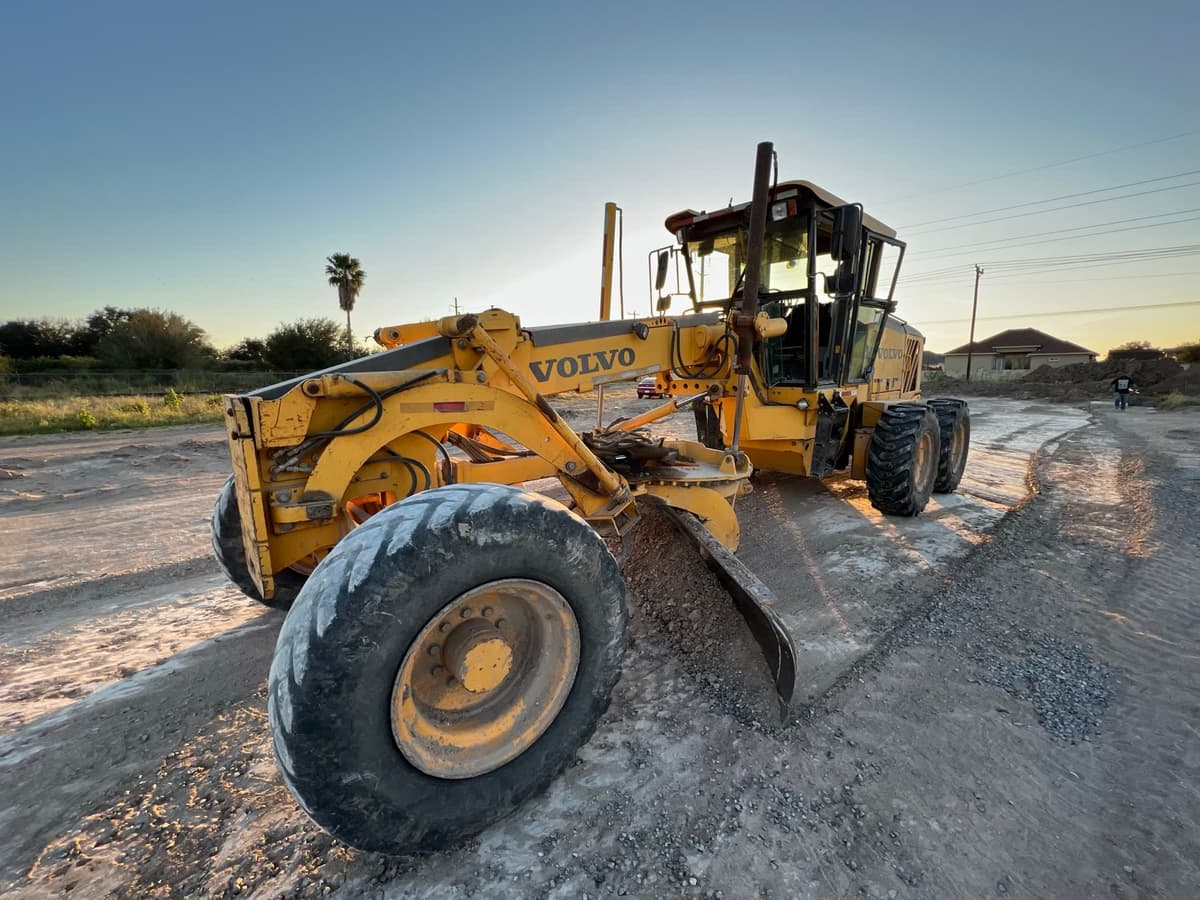
3. Site Clearing and Grading ($1,500–$5,000 per acre)
If your land has brush, mesquite, or other vegetation, it needs to be cleared before construction. In the RGV, clearing costs depend heavily on how dense the vegetation is:
- Light brush and grass: $1,500–$2,500 per acre
- Dense mesquite and native scrub: $3,000–$5,000 per acre
After clearing, the land needs grading — shaping the surface so water flows away from where your structure will sit. In flat South Texas terrain, even a few inches of grade make a big difference.
4. Drainage and Flood Planning
The Rio Grande Valley is flat. Water doesn't drain naturally the way it does in hillier parts of Texas. This means:
- You need engineered drainage — swales, culverts, or retention/detention areas to manage stormwater.
- Check your FEMA flood zone designation before you buy. If you're in a flood zone, expect higher insurance costs and stricter building requirements.
- Some properties may need a detention pond or on-site stormwater system, especially for commercial or multi-lot projects.
Your civil engineer will design a grading and drainage plan as part of site prep. Don't treat this as optional — the Valley has seen catastrophic flooding, and proper drainage protects your investment.
5. Utility Connections ($20,000–$50,000+)
Getting utilities to your lot is one of the most underestimated costs in land development. You'll need:
- Water and sewer — If you're near a city main, tap fees and connection might run $5,000–$15,000. If you're in a rural area far from mains, you're looking at much more.
- Electric — Line extensions can be costly if you're more than a few hundred feet from existing service.
- Gas — Not available in all rural areas; you may need propane instead.
Septic vs. city sewer: Many rural RGV lots aren't connected to a municipal sewer system. In that case, you'll need a septic system, which typically costs $5,000–$15,000 depending on the system type and soil conditions. Your soil test results also determine what kind of septic system is allowed.
6. Foundation Preparation
Once the site is graded and utilities are roughed in, your foundation contractor will prep the building pad. In South Texas, the standard approach for residential construction is a post-tension slab foundation — a concrete slab reinforced with steel cables that are tensioned after the concrete cures. This design handles the movement of expansive clay soils far better than a conventional slab.
For some soil conditions or elevated structures, pier-and-beam may be recommended instead. Your geotechnical report drives this decision.
7. Permits and Fees
Depending on your location, you may need:
- Grading permit — required in most cities and some counties
- Land development permit — for larger projects
- Utility tap fees — one-time charges to connect to water/sewer
- Environmental permits — some RGV areas near resacas or wetlands may require a wetland delineation before construction
Budget $2,000–$10,000+ for permits and fees, depending on project scope and jurisdiction.
RGV-Specific Challenges
South Texas isn't like building in Dallas or Austin. The region has its own set of factors:
- Expansive clay soils are the norm, not the exception. Foundation engineering is critical.
- Flat terrain means natural drainage is minimal. Every site needs engineered water management.
- Heat — construction in summer means early starts, heat safety protocols, and sometimes slower timelines. Concrete curing also requires extra attention in extreme heat.
- Wetlands and resacas — some parcels in the Valley are near protected waterways that require environmental review.
Cost Breakdown Summary
| Item | Estimated Cost |
|---|---|
| Land survey (boundary + topo) | $500–$2,000 |
| Geotechnical soil test | $500–$1,500 |
| Site clearing and grading | $1,500–$5,000/acre |
| Drainage engineering | $2,000–$10,000+ |
| Utility connections | $20,000–$50,000+ |
| Septic system (if needed) | $5,000–$15,000 |
| Permits and fees | $2,000–$10,000+ |
| Total site prep estimate | $30,000–$90,000+ |
These numbers vary widely based on property size, location, and how far you are from existing infrastructure. The point is: site prep is a real line item, not an afterthought.
Checklist Before Buying Land to Build On
Before you close on that lot, make sure you've checked these boxes:
- Flood zone status — check FEMA maps; ask for an elevation certificate
- Soil conditions — get a geotechnical report, or at least ask neighbors what foundation type they used
- Utility availability — call the local water district, electric co-op, and gas provider; get written cost estimates for connections
- Zoning and land use — confirm you can build what you want on the property
- Road access — verify legal access to a public road
- Survey — get a fresh survey, not just the one from the listing
- Drainage — understand where water goes during heavy rain; talk to neighbors
- Total development cost estimate — add up site prep costs before you commit
Timeline
Site preparation alone typically takes 2 to 6 weeks, depending on the scope of work, weather, and permit processing times. Utility connections can sometimes extend that timeline significantly — especially in rural areas where line extensions are needed.
Ready to Prepare Your Site?
If you've bought land in the RGV or South Texas and need help getting it build-ready, 365 Builders can walk you through the process. We handle site clearing, grading, utility coordination, and foundation prep — so you know exactly what you're getting into before construction starts. Request a free consultation to get started.